-
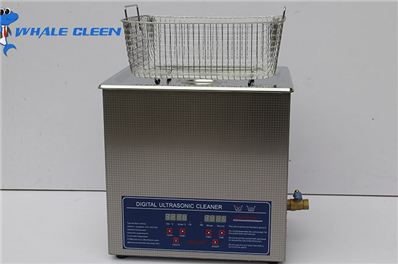 Ultrasonic Cleaning Technology: Revolutionizing Aerospace Component Cleaning
In the intricate realm of aerospace engineering, the demand for pristine cleanliness of components stands as a paramount requirement. Traditional cleaning methods often fall short when faced with the complexities of aerospace components and the need for m
-
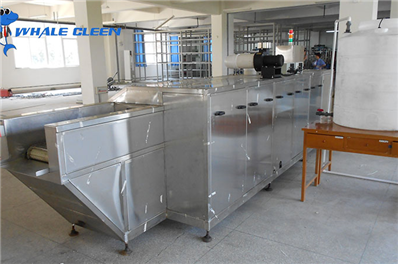 Ensuring Space Mission Success: Ultrasonic Cleaning for Aerospace Components
Cleaning aerospace components is a critical step in aerospace engineering, directly impacting the safety and success of space missions. The use of an ultrasonic cleaning machine plays a pivotal role in restoring the cleanliness and reliability of aerospac
-
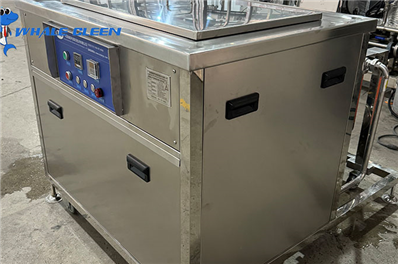 How Ultrasonic Cleaners Enhance Industrial Equipment Cleaning Efficiency
In the modern industrial landscape, the efficiency and longevity of machinery are paramount to maintaining productivity and minimizing downtime. Contaminants such as oils, greases, carbon deposits, and other residues can accumulate on industrial equipment
-
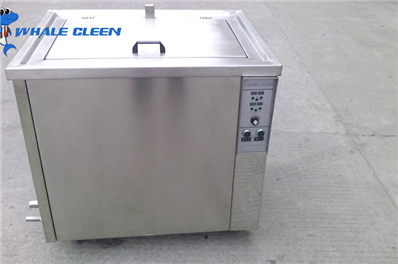 Enhancing Aerospace Equipment Manufacturing and Maintenance with Ultrasonic Cleaning Technology
Ultrasonic cleaning technology plays a crucial role in the production and maintenance of aerospace components, offering efficient and precise cleaning capabilities that elevate the quality and reliability of these intricate components. In this article, we
-
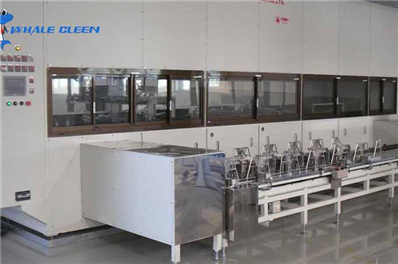 Same Ultrasonic Cleaning, Why Are Some Aerospace Fastener Yield Rates So Much Higher?
In aerospace manufacturing, few quality metrics are as unforgiving as fastener cleanliness. A single micro-fastener — a titanium alloy bolt, a high-strength steel screw, a threaded insert — can carry cutting fluids, lapping compounds, or microscopic metal
-
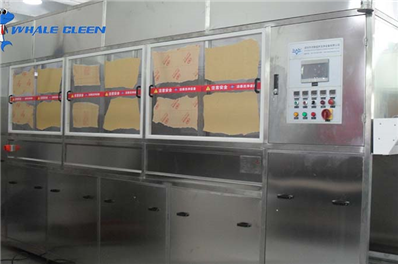 Ultrasonic Cleaning Machine: Solving the Batch Cleanliness Inconsistency Crisis in Aerospace Fastener Manufacturing
In aerospace manufacturing, a single contaminated fastener can compromise an entire assembly. Threaded surfaces trap machining oils, metal chips, and microscopic particulates that, if not completely removed, directly affect torque values, joint integrity,
-
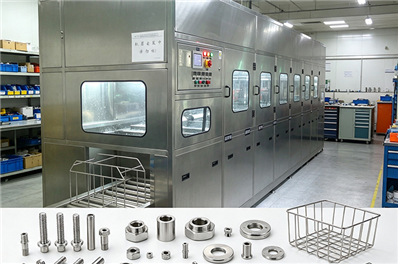 Ultrasonic Cleaning Machine: Why Disassemble Molds When You Can Clean Carbon Deposits in Minutes?
In industrial manufacturing, few maintenance tasks are as time-consuming and costly as mold cleaning. Production managers know the drill all too well: shutdown the line, wait for the mold to cool, disassemble every component, scrub stubborn carbon deposit
-
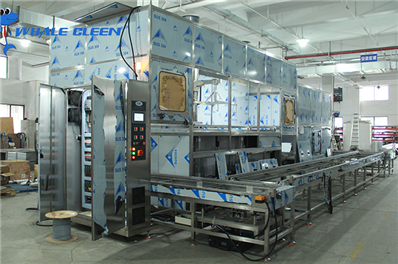 Want to Extend Turbine Disk Service Life? What Are the Key Selection Criteria for Ultrasonic Cleaning Machines?
In an aircraft engine overhaul shop, few components carry more weight—literally and metaphorically—than the turbine disk. Often described as the “backbone” of the engine, the turbine disk is a precision‑engineered component manufactured from nickel‑based
-
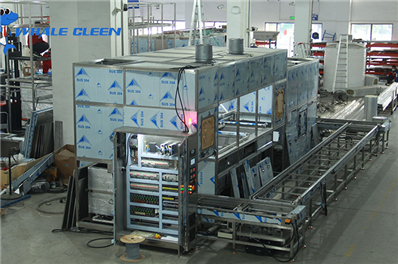 Fuel Nozzle Deep Degreasing Challenge: How Ultrasonic Cleaning Machines Remove Internal Deposits
Fuel nozzles are among the most precision-critical components in any engine—whether for diesel rail systems, gasoline direct injection, or gas turbines. Over their service life, three distinct contaminants accumulate inside the nozzle structure:Coked carb
-
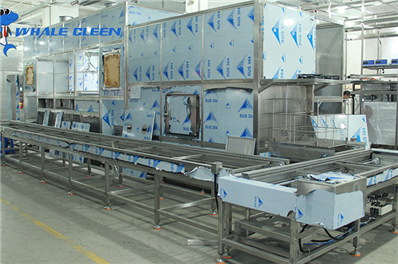 Ultrasonic Cleaning Machine for Aerospace Components: From High-Risk Traditional Methods to Non-Contact Degreasing That Safeguards Flight Safety
In the high-stakes world of aviation maintenance, cleaning is far from a routine chore — it is a direct pillar of flight safety. A single turbine blade contaminated with baked-on carbon deposits, a fuel nozzle with partially clogged orifices, or a hydraul
-
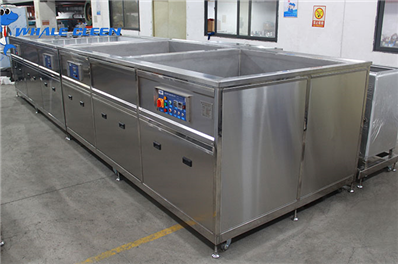 How to Choose a Fuel Injector Ultrasonic Cleaning Machine – A Practical Guide to Getting It Right
Fuel injectors are among the most precision-critical components in any modern engine. Over time, carbon deposits, varnish, and microscopic fuel residue accumulate inside the tiny orifices of the injector nozzle. These contaminants don't just reduce fu
-
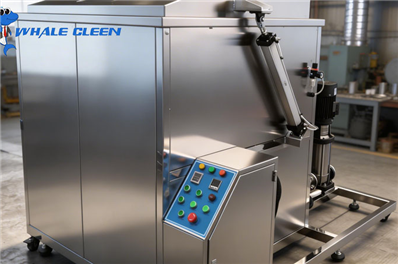 High-Volume Auto Parts Cleaning: Choosing the Right Ultrasonic Machine Saves Significant Costs
In the competitive world of automotive parts manufacturing, every minute and every cent counts. High-volume production of engine blocks, transmission housings, gears, shafts, and valve bodies demands not only precision machining but also equally precise a